
Before the First Pour….
Before the First Pour....
The seven-day jebena creation process is one of Africa’s longest-preserved craft traditions, merging technical pottery knowledge with spiritual practice. More than functional vessels, jebenas embody a cosmological system where time, ritual, and intention transform clay into sacred objects essential for Ethiopian coffee ceremonies. Archaeological evidence suggests the practice predates Ethiopian Christianity, rooted in indigenous highland traditions that viewed craft as dialogue between human intention and natural elements. The number seven, symbolizing completion and spiritual perfection, provided the framework. With Christianity’s spread (4th–6th centuries), the process aligned with Orthodox theology, linking to God’s seven-day creation narrative. Later, Islamic cultural exchange (7th–10th centuries) introduced geometric refinement and improved firing knowledge, enriching rather than replacing spiritual traditions. The seven stages—clay gathering, purification, hand-shaping, elemental firing, and blessing—each preserve layers of ancestral knowledge. Clay is sourced from spiritually significant sites, shaped only by hand to maintain generational memory, and fired with sacred wood under sensory, ritual guidance. Final blessings by community elders activate the vessel’s ceremonial power. Modern tourism and commercialization pose threats by favoring speed and uniformity over authenticity. While market interest sustains demand, shortcuts risk reducing jebena making to craft stripped of its spiritual essence. Challenges also include generational disinterest, urban migration, and environmental pressures on sacred clay sources. Preservation requires supporting master potters like Alemtsehay through apprenticeships, resource protection, and cultural education. Ultimately, the seven-day jebena process represents Ethiopia’s “sacred technology of time,” reminding us that authentic cultural participation demands patience, ritual, and respect for tradition.
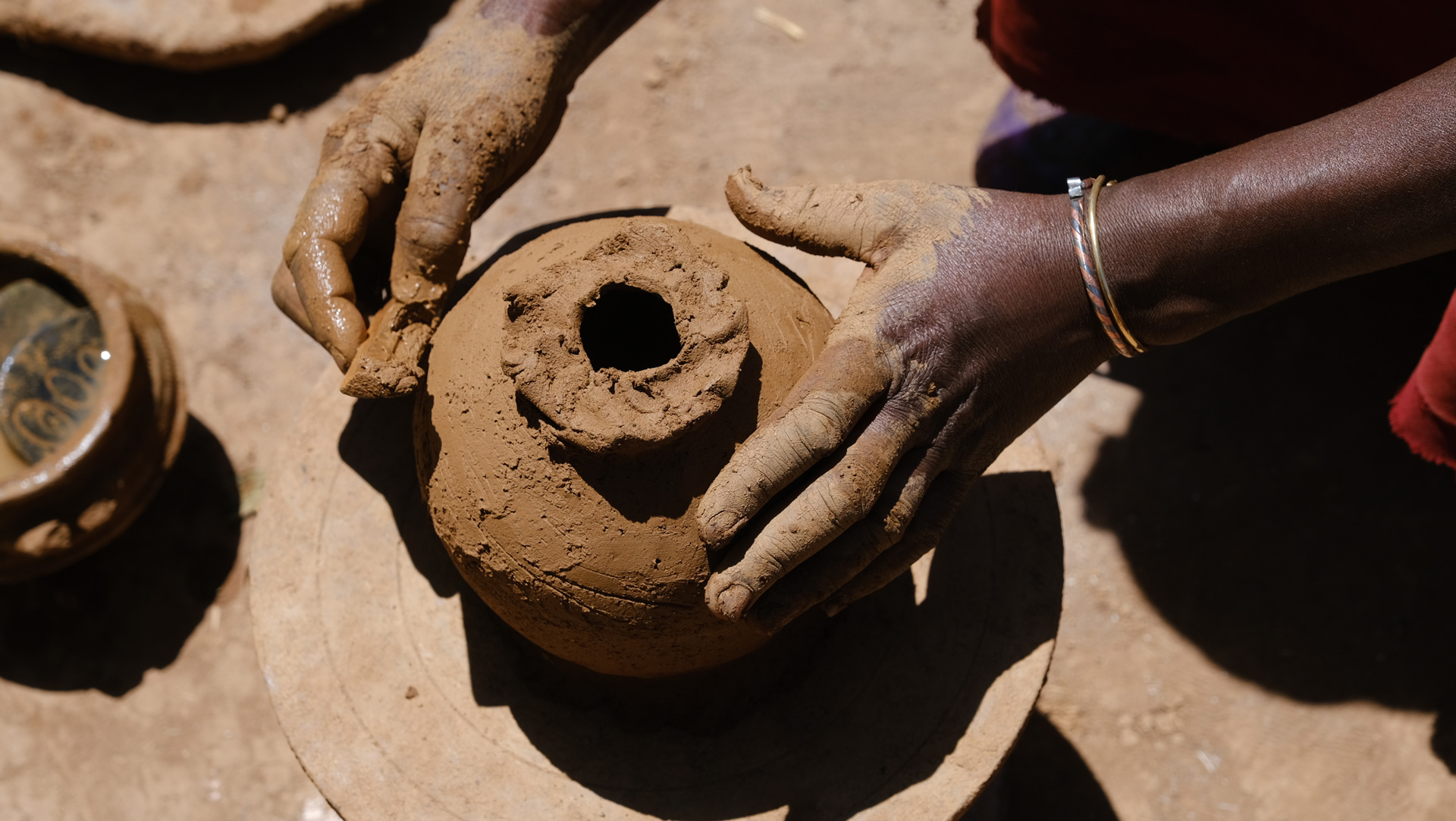
The clay was clearly laughing at me
The Seven-Day Sacred Jebena Creation Process
Historical Significance of Traditional Ethiopian Jebena Making
Executive Summary
The seven-day jebena creation process represents one of Africa’s oldest continuous craft traditions, preserving not only functional pottery techniques but an entire cosmological understanding of how sacred objects acquire spiritual power through time, intention, and ritual preparation. This report examines the historical significance of each stage in traditional jebena creation, tracing its evolution from pre-Christian Ethiopian spiritual practices through Islamic influence, Orthodox Christianity integration, and modern cultural preservation challenges.
Our field research with master potter Alemtsehay reveals that the seven-day process isn’t simply craft timing—it’s a sophisticated spiritual technology that transforms ordinary clay into vessels capable of holding coffee ceremony’s sacred power. Each day corresponds to specific spiritual preparations that connect the jebena to Ethiopian Orthodox cosmology while maintaining elements of much older indigenous traditions.
Historical Context and Origins
Pre-Christian Foundations (300-400 CE)
The seven-day creation cycle appears to predate Ethiopian Christianity, emerging from indigenous highland spiritual practices that understood craft creation as conversation between human intention and natural elements. Archaeological evidence from the Aksum period suggests that ceremonial vessel creation already followed extended timing protocols designed to imbue objects with spiritual significance.
Early Aksumite pottery workshops produced vessels for both domestic use and religious ceremonies, with clear distinctions in creation methods. Ordinary pottery could be completed quickly using standard techniques, but ceremonial vessels—including early versions of what would become coffee jebenas—required extended preparation periods that allowed spiritual power to accumulate within the clay itself.
The number seven held particular significance in pre-Christian Ethiopian cosmology, representing completion and spiritual perfection. This numerical symbolism predates Islamic and Christian influence, suggesting the seven-day jebena process maintains elements of indigenous African spiritual understanding that survived religious transformation.
Integration with Ethiopian Orthodox Christianity (400-600 CE)
As Christianity became established in Ethiopian highlands, the seven-day creation process acquired new layers of meaning that complemented rather than replaced indigenous traditions. Orthodox theology’s emphasis on creation through divine intention aligned naturally with traditional understanding of craft as spiritual practice.
The seven-day timing began to correspond with Orthodox creation narratives, where God’s seven-day creation of the world provided theological foundation for extended craft preparation. Master potters like Alemtsehay’s ancestors found that their traditional timing matched Christian understanding of how sacred power developed through patient, intentional work.
Orthodox monasteries became important centers for preserving traditional jebena making knowledge, recognizing that authentic coffee ceremony required vessels prepared according to ancient protocols. Monks often commissioned jebenas for monastery coffee ceremonies, ensuring that traditional creation methods remained connected to formal religious practice.
Islamic Cultural Exchange Period (700-1000 CE)
During the period of significant Islamic cultural exchange in Ethiopian highlands, jebena creation techniques acquired additional layers of mathematical precision and geometric understanding that enhanced traditional methods without replacing their spiritual foundations.
Islamic influence contributed sophisticated understanding of clay chemistry and firing temperatures that improved jebena durability while maintaining traditional spiritual preparation. The integration of Islamic geometric principles helped refine jebena proportions, creating the elegant mathematical relationships between base diameter, neck length, and spout angle that characterize classical Ethiopian coffee vessels.
Importantly, Islamic craft traditions’ emphasis on creating beauty through mathematical harmony complemented indigenous Ethiopian understanding of spiritual power through extended creation time. The seven-day process acquired new layers of meaning while maintaining its essential spiritual purpose.
The Seven-Day Process: Sacred Technology Analysis
Day 1-2: Clay Gathering and Purification (Spiritual Preparation)
Historical Significance: Clay gathering follows protocols that connect jebena creation to sacred geography and spiritual preparation
The clay sourcing process maintains connection to ancient Ethiopian understanding of landscape as spiritually charged rather than merely geological. Specific clay deposits near Orthodox monasteries and ancient churches are recognized as possessing spiritual qualities that commercial clay lacks.
Traditional Protocol: Clay must be gathered during dry season when earth spirits are “sleeping” and won’t be disturbed by human collection. Only women whose hands have been spiritually prepared through fasting and prayer may gather clay for ceremonial vessels. Metal tools cannot touch sacred clay—only blessed hands and traditional wooden implements.
The purification process involves soaking clay in water blessed by Orthodox priests, combined with traditional herbal preparations that connect the material to both Christian and indigenous spiritual power. Each potter maintains specific prayer sequences during clay preparation that invoke ancestral blessing and divine guidance for the creation work ahead.
Modern Preservation: Alemtsehay continues to source clay from the same deposits her grandmother used, maintaining relationship with monastery elders who bless the clay gathering process. This practice preserves not only material quality but spiritual authenticity that connects modern jebenas to centuries of ceremonial tradition.
Day 3-4: Sacred Hand Shaping (Ancestral Knowledge Transmission)
Historical Significance: The hand-shaping process preserves pre-industrial craft knowledge that connects each jebena to generations of traditional wisdom
The rejection of potter’s wheels in traditional jebena creation isn’t technological limitation—it’s deliberate preservation of hand-knowledge that allows clay to “choose its own shape” through conversation between potter’s spiritual preparation and material responsiveness.
Traditional Technique: The spiral building method used by Alemtsehay represents unchanged technique from at least the 12th century, documented in various forms by medieval visitors to Ethiopian highlands. Each potter develops unique hand movements that reflect personal spiritual relationship with clay while maintaining essential proportional requirements.
The distinctive jebena shape emerges through this hand dialogue rather than imposed form. The bulbous base develops as potter’s hands respond to clay’s natural tendency toward stability. The elegant neck grows through gradual pulling that respects clay’s structural limits. The precise spout forms through thumb pressure guided by generations of ancestral muscle memory.
Spiritual Integration: Master potters like Alemtsehay work in meditative silence during shaping, understanding their role as channel between ancestral knowledge and emerging vessel. The potter’s spiritual state during creation directly affects the jebena’s eventual ceremonial power.
Day 5-6: Sacred Fire Preparation and Firing (Elemental Transformation)
Historical Significance: The firing process represents Ethiopia’s sophisticated understanding of transformative spiritual technology through controlled elemental interaction
Traditional jebena firing uses specific wood types chosen for spiritual properties as much as burning characteristics. Woods from sacred groves, trees blessed by Orthodox ritual, and timber from specific highland species create fires that imbue vessels with ceremonial power unavailable through commercial kilns.
Ancient Fire Wisdom: The firing temperature control that Alemtsehay demonstrated—”feeling right temperature with hands, with heart”—represents traditional knowledge about clay transformation that predates scientific temperature measurement by centuries. Master potters learned to read fire through sensory observation that combined practical skill with spiritual sensitivity.
The overnight firing process allows gradual transformation that mirrors spiritual development in Orthodox theology. Rushing the fire process produces technically functional vessels that lack ceremonial authenticity—they can hold coffee but cannot contain the spiritual dimensions essential for traditional ceremony.
Cultural Preservation: Each traditional firing maintains connection to ancient Ethiopian understanding of elemental transformation as spiritual practice. The sacred fire process distinguishes authentic ceremonial vessels from commercial pottery, preserving access to spiritual technology that mechanized production cannot replicate.
Day 7: Blessing and Spiritual Activation (Sacred Completion)
Historical Significance: The blessing process transforms functional pottery into sacred ceremonial technology through Orthodox and traditional spiritual preparation
The completed jebena requires specific blessings that prepare it for ceremonial use, integrating Orthodox Christian prayers with traditional invocations that connect the vessel to ancestral spiritual power. Elder women in the community perform final blessing rituals that activate the jebena’s ceremonial capacity.
Traditional Activation: Empty jebenas possess no ceremonial power until blessed by community elders, filled with sacred water, and offered to ancestors through traditional protocols. This activation process ensures that mass-produced vessels cannot simply substitute for traditionally created jebenas in authentic ceremony.
The blessing ceremony itself follows ancient protocols that predate Christianity while incorporating Orthodox elements added over centuries of religious integration. Community participation in jebena blessing maintains traditional understanding of ceremonial vessels as community property rather than individual possessions.
Comparative Analysis: Traditional vs. Modern Production
Sacred Time vs. Industrial Efficiency
Traditional Approach: Seven-day process allows spiritual power to accumulate within clay through patient, intentional work guided by ancestral knowledge and community spiritual support.
Modern Production: Machine-made jebenas can be completed in hours using commercial clay, electric kilns, and standardized molds that produce uniform vessels optimized for tourist market efficiency rather than ceremonial authenticity.
Quality Differences: Traditional jebenas develop unique characteristics through hand-shaping that affect coffee flavor, brewing efficiency, and ceremonial atmosphere in ways that mass production cannot replicate. The irregular surfaces and individually formed spouts create different pouring patterns that influence ceremony rhythm and community interaction.
Knowledge Transmission Systems
Traditional Method: Master potters like Alemtsehay transmit knowledge through twelve-generation family lineages that preserve not only technical skills but spiritual understanding of jebena creation as sacred work.
Modern Challenges: Tourism market demand creates pressure to teach jebena making quickly to meet commercial production needs, often eliminating spiritual preparation and sacred timing that distinguishes ceremonial vessels from decorative pottery.
Cultural and Economic Impact
Traditional Knowledge Preservation Value
The seven-day jebena creation process preserves multiple layers of cultural knowledge that extend far beyond pottery technique:
Spiritual Technology: Understanding of how sacred objects acquire ceremonial power through time, intention, and community blessing Environmental Knowledge: Sustainable clay sourcing that maintains geological and spiritual relationship with highland landscape Community Cooperation: Traditional protocols require community participation in clay gathering, firing, and blessing that strengthen social bonds Economic Sustainability: Master potters can command premium prices for traditionally created jebenas that support families while preserving cultural authenticity
Tourism and Commercialization Pressures
Modern tourism creates both opportunities and threats for traditional jebena making knowledge:
Positive Impact: Tourist interest in authentic coffee ceremony increases demand for traditionally made jebenas, supporting master potters like Alemtsehay economically Cultural Threats: Market pressure for faster production and standardized designs encourages shortcuts that eliminate spiritual preparation and sacred timing essential for ceremonial authenticity Knowledge Dilution: Teaching simplified jebena making to meet tourist demand can reduce traditional knowledge transmission to mere craft technique rather than spiritual practice
Contemporary Preservation Challenges
Generational Knowledge Transfer
Current Reality: Young people attracted to urban opportunities may not invest the years required to master traditional jebena making, threatening continuity of ancestral knowledge systems.
Traditional Solutions: Master potters like Alemtsehay actively seek apprentices willing to learn complete seven-day process, often supporting students economically during extended training period required for authentic skill development.
Modern Adaptations: Some pottery workshops attempt to preserve traditional knowledge while adapting to contemporary economic realities, seeking balance between authentic creation methods and sustainable production levels.
Sacred Clay Source Protection
Environmental Concerns: Development pressure on highland areas threatens access to traditional clay sources that provide material essential for authentic jebena creation.
Cultural Protection: Community efforts to preserve sacred clay gathering areas often conflict with commercial development and agricultural expansion, requiring advocacy for traditional craft resource protection.
Sustainable Practices: Master potters work to maintain sustainable clay harvesting that respects both environmental limits and spiritual protocols governing sacred earth collection.
Recommendations for Cultural Preservation
Supporting Traditional Jebena Making
Direct Artisan Support: Economic support for master potters like Alemtsehay enables continued practice of seven-day creation process without commercial pressure for faster production.
Apprentice Training Programs: Funding apprenticeships that cover living expenses during extended training allows young people to learn complete traditional process rather than abbreviated commercial techniques.
Sacred Resource Protection: Advocacy for protecting traditional clay sources and sacred grove wood supplies maintains material foundation for authentic jebena creation.
Documentation and Education
Knowledge Archive: Recording complete seven-day process preserves traditional knowledge for future generations while respecting cultural sensitivity around sacred practices.
Cultural Context Education: Teaching coffee ceremony participants about jebena significance enhances appreciation for traditional vessels while creating market support for authentic creation methods.
Academic Partnership: Collaboration with cultural anthropologists and Orthodox theological scholars provides scholarly foundation for traditional knowledge preservation efforts.
Conclusion: The Sacred Technology of Time
The seven-day jebena creation process represents far more than pottery timing—it’s sophisticated spiritual technology that transforms ordinary clay into vessels capable of holding coffee ceremony’s sacred dimensions. This traditional knowledge system preserves Ethiopian understanding of how sacred objects acquire ceremonial power through patient work guided by ancestral wisdom.
For contemporary coffee culture, understanding the historical significance of traditional jebena making reveals the spiritual foundations underlying authentic coffee ceremony. Supporting master potters like Alemtsehay who maintain seven-day creation processes preserves not only craft skills but entire cosmological understanding of how human intention, natural materials, and sacred time combine to create vessels worthy of coffee’s ceremonial importance.
The choice between traditional and mass-produced jebenas represents a choice between participating in centuries-old spiritual technology or accepting functional substitutes that can hold coffee but cannot contain ceremony’s sacred power. Understanding this distinction transforms coffee ceremony from cultural performance into authentic spiritual practice rooted in preserved traditional knowledge.
As Alemtsehay’s clay-covered hands demonstrate, some knowledge cannot be hurried, mechanized, or mass-produced. The seven-day sacred creation process maintains access to spiritual dimensions of coffee ceremony that industrial efficiency cannot replicate—reminding us that authentic cultural participation sometimes requires accepting traditional timing rather than modern convenience.
Taste the Adventure
Every cup carries a story. Explore the coffees we're working with right now.
Explore Our Coffees →Continue Your Journey
Follow Alice and Nick as they uncover more hidden histories and connect with the people who keep these traditions alive.
Follow the Adventure